Qatar is globally recognized for its wealth, modern cities, and premium lifestyle standards. Rapid development has shaped several towns into symbols of prosperity, luxury living, and long-term economic stability.
When people search for the richest town in Qatar, they often seek more than statistics or income figures. They want insight into lifestyle quality, residential appeal, and access to high-value real estate opportunities.
In this blog, we’ll explore Qatar’s richest towns and what defines their economic strength. We’ll also examine how luxury living influences residential demand across the country’s growing real estate market.
Richest Town in Qatar - Here’s the List!
Qatar’s wealth is concentrated across several strategically developed towns known for infrastructure, lifestyle, and economic influence. These locations attract high-income residents, investors, and expatriates seeking stability, comfort, and lasting value.
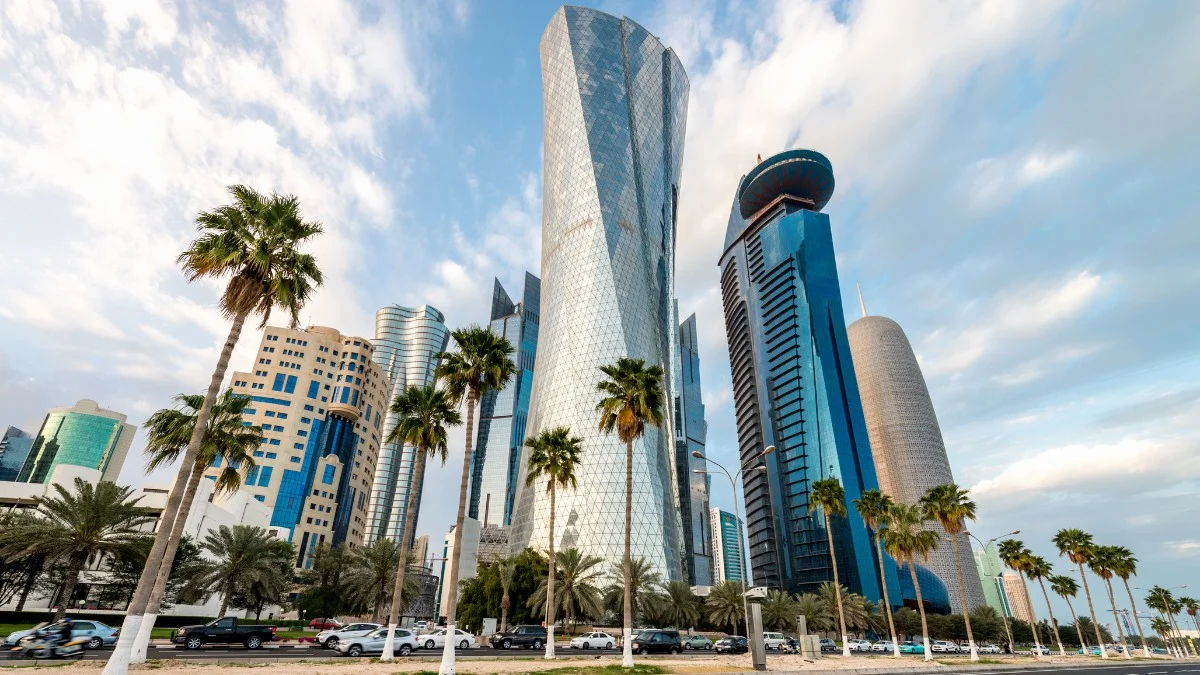
Doha
Doha stands as Qatar’s economic and administrative center, hosting global corporations and government institutions. Its skyline, business districts, and cultural landmarks reflect its role as a financial powerhouse.
Luxury housing options range from high-rise towers to serviced residences across the city. Demand for apartments in Doha continues growing among professionals, families, and investors with holding abilities.
Al-Rayyan
Al-Rayyan offers spacious residential communities located close to Doha’s commercial zones. The town is favored for its quieter environment while maintaining strong connectivity to urban centers.
Housing developments focus on villas, gated communities, and modern residential complexes. Interest in apartments in Qatar has expanded here due to planned neighborhoods and family-oriented infrastructure.
Al-Wakrah
Al-Wakrah has transformed into a modern coastal town with strong residential appeal. Improved infrastructure and waterfront developments have increased its economic and lifestyle value.
Families often choose this town for balanced living and lower population density. Demand for rental properties remains steady due to affordability and proximity to Doha.
Al-Khor
Al-Khor plays a significant role in Qatar’s industrial and energy-driven economy. Its proximity to major gas facilities supports employment and lasting regional growth.
Residential development has expanded alongside infrastructure improvements and public amenities. The town attracts residents seeking stability, space, and emerging real estate opportunities.
Lusail
Lusail represents Qatar’s future-focused urban planning and smart city development. Designed for luxury and sustainability, it features high-end residential and commercial districts.
The city attracts affluent residents seeking modern living environments and premium amenities. Its planned layout continues driving interest from investors and end-users alike.
Also Read: Top 10 Best Areas and Cities to Live in Qatar
Real Estate Opportunities Across Qatar

Qatar’s property market has expanded rapidly due to economic stability and rising lifestyle expectations. High-income towns attract buyers looking to buy properties and tenants seeking modern living spaces and robust investment security.
Luxury Apartments and Villas
High-end apartments and private villas dominate residential development in Qatar’s wealthiest towns. Buyers often prioritize location, amenities, and architectural quality when choosing apartments in Qatar.
These properties are designed to support luxury living with modern layouts and premium facilities. Gated communities and waterfront residences remain particularly attractive to wealthy residents and expatriates.
Rental Properties and Investment Trends
Demand for quality housing has strengthened the rental market across major towns. Many professionals prefer rental properties that offer flexibility, security, and access to business districts.
Investors benefit from consistent occupancy rates and long lasting demand. Developed areas continue delivering stable returns due to sustained population growth and urban expansion.
Lifestyle, Culture, and Leisure
Affluent towns in Qatar offer more than financial advantages and residential comfort. Lifestyle quality, cultural richness, and leisure accessibility play a major role in defining these locations.
Cultural Experiences
Museums, heritage districts, and cultural festivals reflect Qatar’s deep-rooted traditions. These experiences enhance daily life while preserving national identity within rapidly modernizing towns.
Residents benefit from proximity to art spaces, historic sites, and community events. Cultural accessibility adds enduring appeal to residential living in prosperous urban environments.
Recreation and Luxury Living
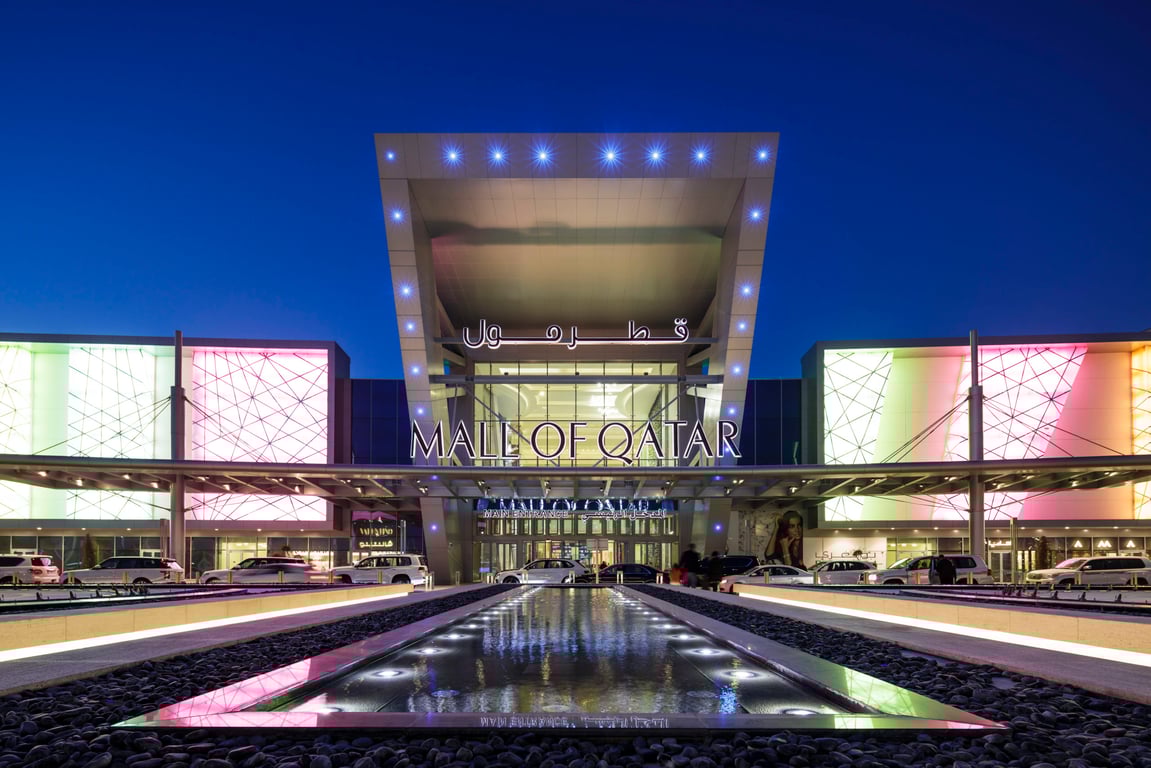
Luxury malls, waterfront promenades, and fine dining destinations define leisure across Qatar’s rich towns. Residents enjoy access to beaches, wellness facilities, and outdoor recreational spaces.
This lifestyle appeal continues driving interest in premium housing options. Leisure-focused development directly supports rising demand across the residential real estate market.
Education and Healthcare
Education and healthcare strongly influence residential decisions in Qatar’s rich towns. Access to quality schools and advanced medical facilities enhances lifestyle standards and sustained community growth.
Academic Excellence
Qatar’s richest towns host international schools and globally recognized universities. These institutions attract families seeking academic quality alongside secure residential environments.
Educational accessibility directly impacts housing preferences and neighborhood value. Areas with strong academic infrastructure often experience higher demand within the real estate market.
World-Class Healthcare
Advanced hospitals and specialized clinics are strategically located across major towns. Residents benefit from modern treatment options, experienced professionals, and comprehensive medical services.
Reliable healthcare access increases the appeal of nearby residential communities. Families often prioritize locations offering healthcare convenience when choosing rental properties for long durations.
Future of Qatar’s Richest Towns
Qatar continues investing heavily in urban development, infrastructure, and sustainability initiatives. These efforts aim to strengthen economic resilience and enhance living standards across financially strong towns.
Economic Growth and Urban Vision
Ongoing projects focus on transportation networks, commercial expansion, and residential planning. These developments reinforce each town’s position as a long-term economic contributor.
Wealthy towns remain attractive to investors seeking stability and structured growth. Strategic planning ensures continued demand for premium housing and urban services.
Sustainability and Innovation
Sustainability has become a core element of future development strategies. Smart city planning and eco-friendly construction practices are shaping modern residential environments.
Innovation-driven growth supports healthier lifestyles and efficient urban living. These initiatives ensure Qatar’s rich towns remain desirable for future generations.
Conclusion
Qatar’s wealth is obvious from its developed towns, strong infrastructure, and premium lifestyle offerings. Each affluent town combines economic opportunity, residential comfort, and cultural depth, making them highly desirable for residents and investors.
Understanding the richest town in Qatar goes beyond income levels and statistics alone. It requires evaluating lifestyle quality, development vision, and continued residential demand shaping Qatar’s evolving urban landscape.
Frequently Asked Questions (FAQs)
Which is the richest town in Qatar?
Doha is widely considered the richest town in Qatar due to its economic dominance, infrastructure, and business concentration. It hosts major financial institutions, luxury developments, and the highest residential demand nationwide.
Where do rich people live in Qatar?
Wealthy residents commonly live in Doha, West Bay, Lusail, and Al-Rayyan. These areas offer luxury housing, modern amenities, and close proximity to business and lifestyle hubs.
Is Lusail richer than Doha?
Lusail is a rapidly developing city designed for future growth and luxury living. However, Doha currently remains richer due to its established economy and commercial influence.
What is the most developed area in Qatar?
Doha is the most developed area in Qatar, offering advanced infrastructure, cultural institutions, and global connectivity. It continues leading in economic activity and residential expansion.
Comments
No comments yet.
 Twitter


_1772190035.webp )